
 See Our Latest Article on HelloNation
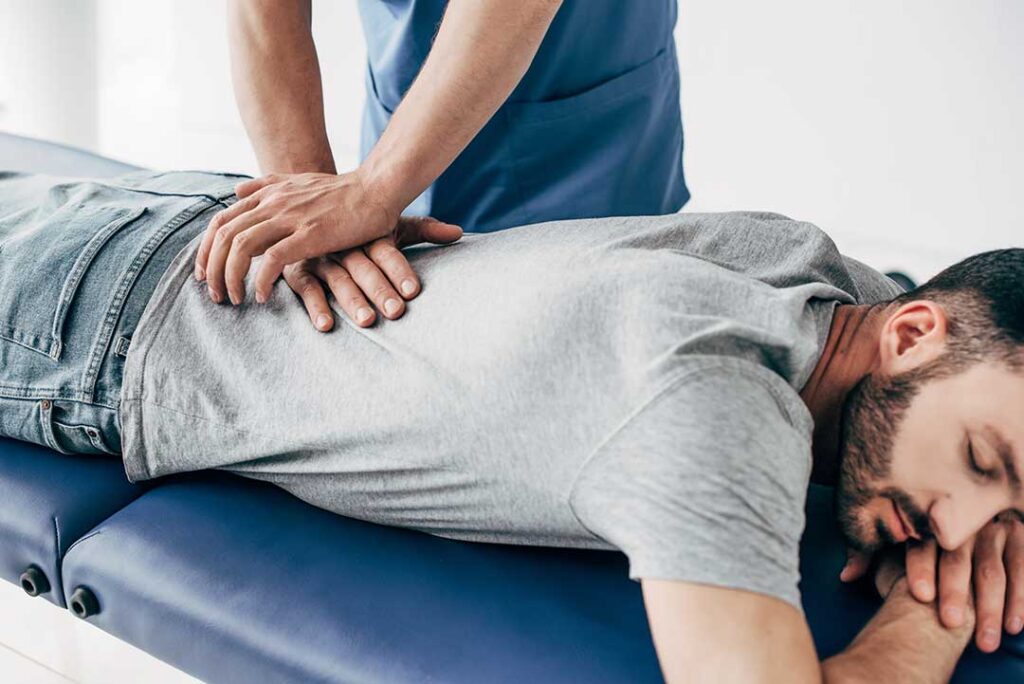
Why Does Traveling Often Cause Lower Back Pain?
Extended travel—by car, bus, train, or plane—often puts unusual stress on the lower back. Limited movement, prolonged sitting, and cramped seats are the main culprits. Even short trips around Clarkstown and the nearby region can trigger discomfort if you’re unprepared. The spine is designed for regular movement, and static postures or poor seating can strain muscles and joints, especially during seasonal travel surges or vacations.
What Can Local Travelers Do Before a Trip to Protect Their Back?
Preparation starts before leaving home. Stretching and core-strengthening exercises in the days leading up to your trip help stabilize your spine for long periods of inactivity. Local walking routes—like area parks or neighborhoods—offer a gentle way to warm up muscles before any journey. Packing light is another overlooked tip; heavy luggage, particularly when lifted awkwardly in or out of cars or buses, often sparks lower back pain.
- Try single-leg balance exercises and gentle forward folds
- Use a small rolling suitcase instead of an overstuffed duffel
- Pack healthy snacks and water, as hydration and nutrition affect muscle health
How Should Seats Be Adjusted for Good Posture During Travel?
Seat adjustments make a significant difference. In cars, recline the seat just enough to support the curve of the lower back and move close enough to reach pedals or dashboard controls without leaning forward. Airplane and train seats rarely support spinal curves well. Bringing a small cushion, rolled-up towel, or lumbar support device can fill gaps between your lower back and the seat.
- Keep knees close to hip level (not dramatically above or below)
- Sit tall with shoulders relaxed and both feet on the floor, if possible
- Avoid crossing legs for long stretches
Are There Specific Movement Breaks or Stretches to Use on the Road?
Yes—planned breaks for movement reduce the risk of stiffness and soreness. On road trips near or outside Clarkstown, pulling over at rest stops for even five minutes of gentle movement is more effective than hoping discomfort will fade. On buses or trains, stand and stretch at intervals. In the air, simple seated movements—ankle rolls, knee lifts, and side bends—encourage blood flow when aisle walks aren’t allowed.
- Calf raises, forward bends, and walking lunges help reactivate large muscle groups
- Shoulder rolls and gentle neck stretches support overall comfort
What About Travel Within the Clarkstown Area?
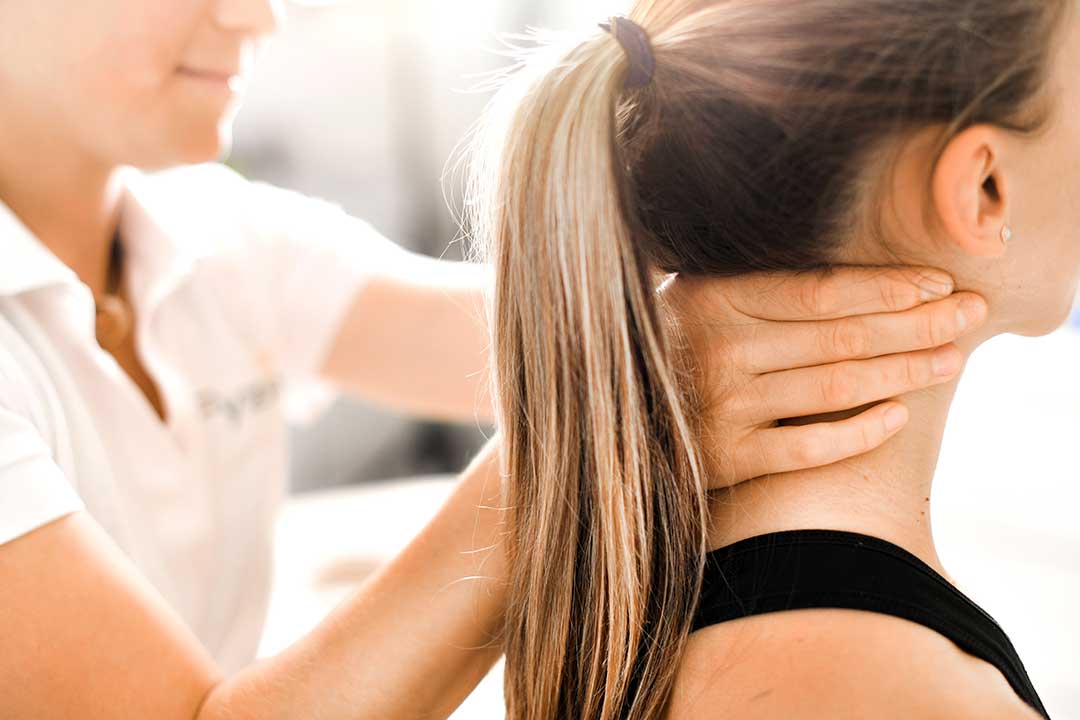
Residents often commute or take short trips to local events, shopping areas, or parks. Regular use of public transit or time spent in traffic can add up. Many local households can mitigate risk by keeping reusable lumbar pillows in their vehicles or by periodically adjusting seat positions to avoid “habit zones.” If your routine includes frequent drives, varying your posture or changing hand positions on the wheel can prevent cumulative stress.
Does Weather Influence Back Pain When Traveling?
Weather can play a role, especially in seasonal conditions typical of Clarkstown. Sudden cold spells or damp weather may stiffen muscles, making them more prone to injury. It’s useful to dress in layers—and keep a lightweight jacket or blanket on hand—to keep muscles warm during both rides and travel stops. Wet conditions also make slips more likely while lifting bags or getting in and out of vehicles, emphasizing the need to move slowly and use both hands.
Are There Common Misconceptions About Preventing Back Pain While Traveling?
A few widespread myths frequently cause preventable problems:
- “If I sit still and don’t move, my back won’t hurt.” Movement is essential—even small changes in position matter.
- “Any pillow or cushion will work.” Support must specifically match the natural curve of your lower back.
- “Stretching is only needed if you’re already sore.” Regular movement and gentle stretching prevent pain before it starts.
How Can Families and Older Adults in the Community Stay Safe?
Families traveling together or older adults may have extra concerns about comfort and lifting safety. Children may need booster seats or extra padding, while older adults should avoid lifting heavy bags alone. Splitting up baggage, asking for help to load or unload, and planning for extra movement breaks provide insurance against lower back trouble. Prepping a family car with various support tools, snacks, and water supports everyone’s comfort.
What if Pain Persists After Travel?
Most mild or moderate discomfort fades within a day or two if you rest, move gently, and avoid heavy lifting. Prolonged or severe pain—especially accompanied by numbness, tingling, or weakness—signals a need for further attention. Persistent pain shouldn’t be ignored, especially if you have preexisting spinal conditions or if symptoms disrupt daily life. Area support resources, including public health clinics, provide basic assessment and advice for ongoing problems.
