
 See Our Latest Article on HelloNation
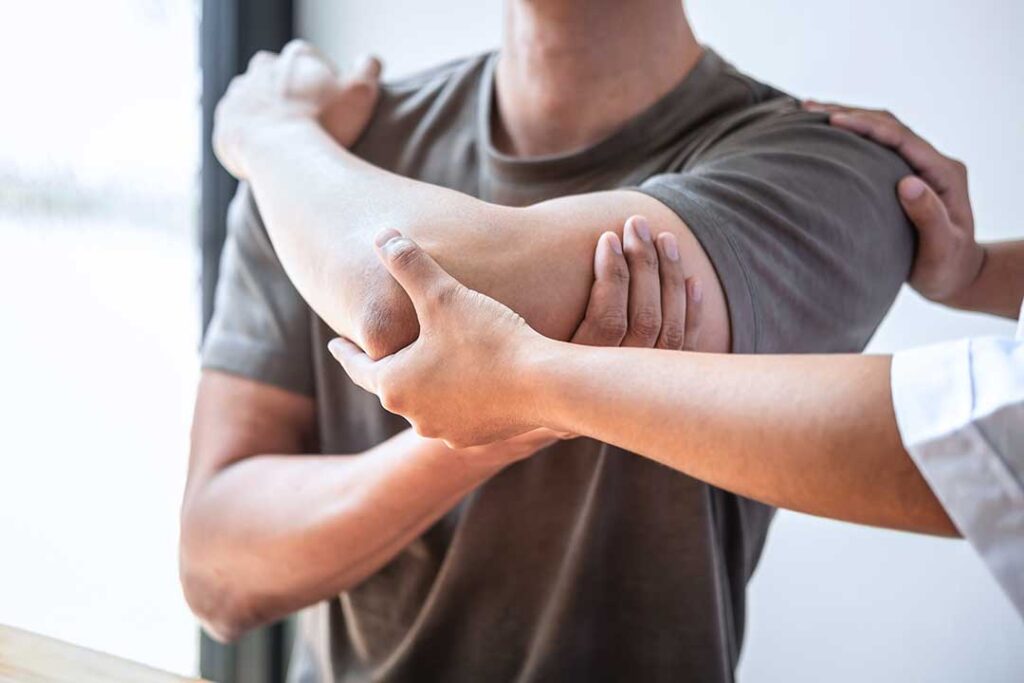
What Kinds of Sports Injuries Happen in Clarkstown, NY?
Sports injuries in Clarkstown, NY are often tied to local activities and seasonal recreation. With year-round access to parks, recreational leagues, and active school sports programs, local residents—of all ages—are commonly exposed to strains, sprains, and overuse injuries. Whether it’s joint pain from weekend softball, muscle pulls from pickup basketball, or repetitive stress injuries from running along Rockland Lake paths, these types of injuries are routine in the community.
Children and teens in school athletics can experience growth-related joint stress, while adults recreationally active or involved in local fitness centers may deal with back pain or neck stiffness. Winter activities like skiing or snowboarding in nearby regions contribute to injury risk during the colder months, with slips and falls increasing due to icy conditions.
How Does Chiropractic Care Fit Into Sports Injury Recovery?
Chiropractic care is a drug-free approach that focuses on optimizing physical function and joint mobility after an injury. Chiropractors examine how the skeletal, nervous, and muscular systems interact, especially after trauma or repetitive use.
For local residents, this means getting care that addresses pain, stiffness, and reduced movement without immediately turning to medications or invasive procedures. Chiropractic evaluation focuses on restoring normal range of motion, reducing inflammation, and helping the body recover naturally, which is especially valued by those seeking to safely return to activity.
What Treatments Are Commonly Used for Sports Injuries?
After a sports injury, a chiropractic visit typically begins with an assessment designed to pinpoint which joints, muscles, or ligaments are affected. Strategies may include:
- Targeted joint adjustments to restore alignment and reduce nerve irritation
- Soft tissue therapies (such as stretching, trigger-point work, and massage techniques) to relieve muscle tension and improve circulation
- Rehabilitation exercises tailored to enhance flexibility, stability, and strength
- Advice on posture, movement patterns, and safe activity modification to prevent further injury
These interventions are not about treating only the site of pain, but about supporting the entire musculoskeletal system for fuller recovery.
Can Chiropractic Care Prevent Future Injuries?
Chiropractic care offers more than acute pain relief—it can play a role in prevention. Local athletic trainers and coaches frequently recommend regular maintenance for athletes, especially those involved in repetitive or high-impact activities.
Routine monitoring helps identify areas of tension or restricted movement before they develop into injuries. Chiropractors may provide education on proper warm-up routines, stretching, ergonomics, and correct form for sports or daily exercise.
For example, a runner in the community experiencing recurring hip pain might discover underlying gait imbalances that, when corrected, reduce future strain on joints. By combining individualized exercise guidance with hands-on care, chiropractic services aim to minimize the likelihood of repeated injuries.
Are There Risks or Limitations to Chiropractic Approaches?
Most chiropractic techniques for sports injuries are considered low-risk, provided they are administered following a thorough assessment. However, it’s important to recognize that not every injury is suited for chiropractic care alone.
- Severe fractures, dislocations, or injuries involving torn ligaments may require medical imaging, immobilization, or surgical coordination
- Red-flag symptoms such as loss of sensation, significant swelling, or inability to bear weight sometimes indicate a need for immediate medical evaluation
- Individuals with pre-existing medical conditions like bone fragility may need modified approaches
Residents are encouraged to be proactive: clearly describe the mechanism of injury, any prior treatments, and recovery goals during their initial visit to receive the most appropriate and safe care.
How Does Ongoing Care Affect Performance for Active Individuals?
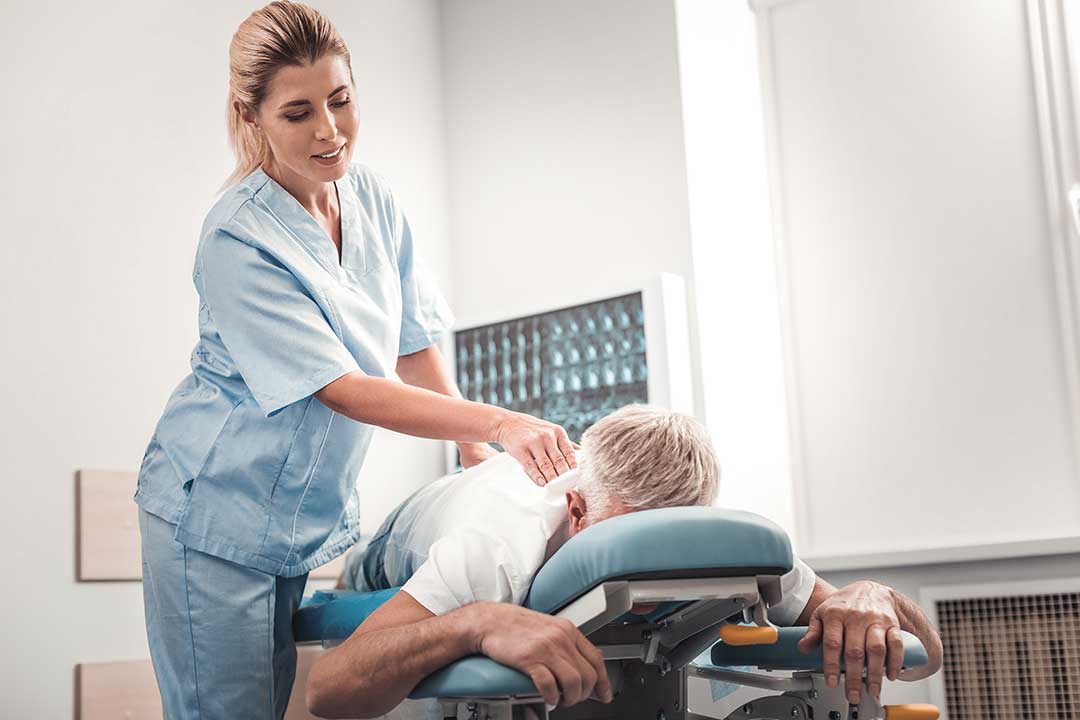
Recovery does not end when pain subsides. For many in Clarkstown’s active population—whether students, recreational athletes, or older adults looking to maintain mobility—regular support keeps the body adaptable to physical stress.
Chiropractors often help athletes develop better movement mechanics, manage scar tissue, improve core stability, and monitor progress for long-term joint health. This attention to ongoing wellness can make a difference in performance and comfort, particularly during seasonal transitions or after returning from periods of inactivity.
Residents training for local races or preparing for recreational leagues may experience fewer setbacks and quicker recovery periods with a plan that combines corrective exercises and manual therapies.
What are Common Misconceptions About Chiropractic and Sports Injuries?
A few misunderstandings persist about the role of chiropractic care in sports recovery:
- It is not limited to back pain—knee injuries, ankle sprains, elbow issues, and shoulder injuries are all common reasons to seek care.
- Chiropractic care rarely involves “forceful” adjustments; most approaches are gentle, especially when tailored to athletes or active individuals.
- Working with other healthcare providers is typical—chiropractors may collaborate with primary care physicians, physical therapists, and local athletic trainers to ensure comprehensive injury management.
Area residents sometimes avoid seeking help because they assume all sports injuries will resolve on their own. While many minor issues do improve with rest, persistent symptoms, or recurring problems, can benefit from assessment and guided recovery to avoid chronic, long-term limitations.
What Should Residents Know About Accessing Care in the Area?
The community benefits from a health-conscious population, with local schools and recreational groups emphasizing injury prevention and wellness education. Residents looking for help should:
- Record details of an injury, including when and how it happened, pain patterns, and limitations in movement
- Stay up to date with safety guidelines for their particular sport or activity
- Consider a multi-faceted recovery plan that addresses not just symptoms, but also underlying factors contributing to injury risk
In Clarkstown, a proactive and informed approach, combined with non-invasive care options, empowers residents to safely resume the activities they enjoy throughout the year.
