
 See Our Latest Article on HelloNation
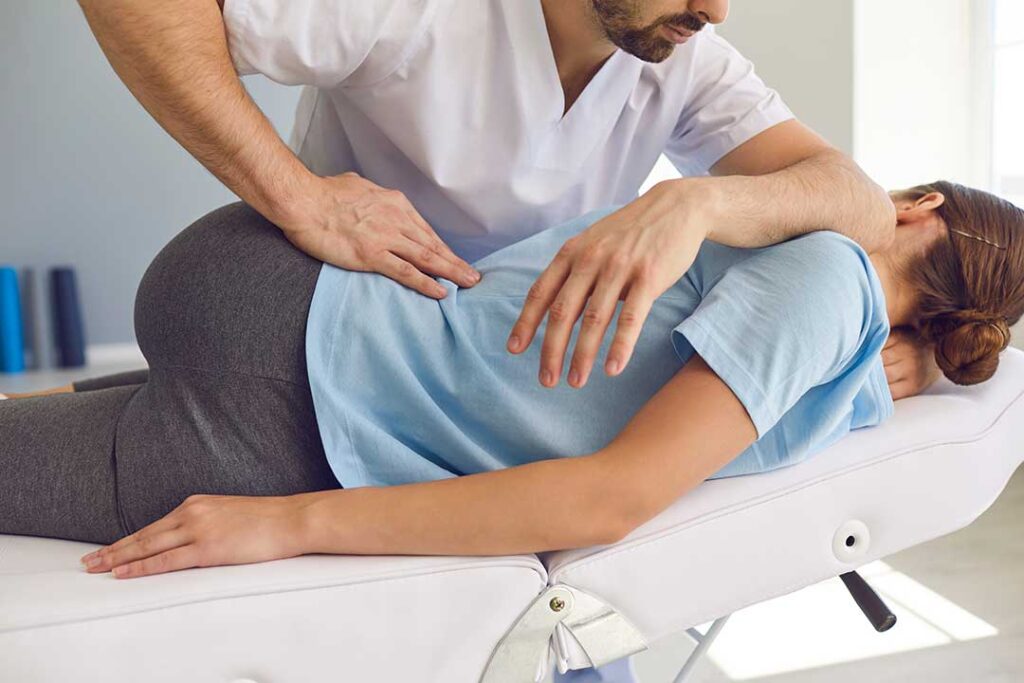
What Is Regular Spinal Maintenance?
Regular spinal maintenance refers to an ongoing effort to keep the spine healthy through a combination of daily habits, body mechanics, posture awareness, and, when needed, professional spinal checkups. This practice is similar to routine dental hygiene or exercise programs—focusing on prevention and gradual improvement rather than crisis management after pain or injury has set in.
For many adults and families in Clarkstown, spinal maintenance typically includes stretching routines, good sitting and lifting habits, and periodic reassessment of physical activity suited to local seasons and lifestyle demands. While those with existing back issues may be more familiar with structured care, even those without pain or symptoms can benefit from preventive attention.
Why Do Local Residents Ask About Spinal Health?
Back and neck discomfort are among the most common physical complaints in the community, especially given Clarkstown’s mix of office work, commuting, and active outdoor recreation. Questions like "How can I prevent back pain from getting worse?" or "What should I do to keep my spine healthy as I get older?" frequently come up, especially during the winter months when shoveling snow or sedentary habits increase the strain on the back.
These concerns reflect genuine challenges area households face, including:
- Extended time spent driving or working at computers
- Fluctuations in activity levels with local weather
- Demands of home and yard maintenance, especially during leaf-raking or snow seasons
How Does Spinal Health Affect Daily Life?
A healthy spine supports movement, balance, and nerve function. Small misalignments, poor posture, or unnoticed strain can quietly limit flexibility or cause discomfort that slowly interferes with daily tasks. Over time, neglecting spinal health may affect sleep quality, physical energy, and the ability to participate in favorite local activities—whether that means hiking, walking pets, or gardening.
Routine maintenance often helps residents:
- Recover more comfortably from minor household injuries
- Stay mobile during icy weather, slippery sidewalks, or while handling landscaping
- Reduce headaches, tension, or sluggishness caused by prolonged sitting
Common Signs That Spinal Maintenance Is Needed
Many people wait until experiencing noticeable pain, but subtle indicators can also signal the need for attention:
- Stiffness, especially upon waking or after long periods of sitting
- Uneven shoe wear, hinting at posture problems
- Frequent tension across the shoulders or lower back
- Numbness or tingling in arms, legs, or feet
What Are Practical Strategies for Maintaining Spinal Health?
Area households can support spinal health through consistent, simple routines built into daily life. Core approaches often include:
Daily Movement and Stretching
Moving regularly helps prevent the muscles that support the spine from becoming tight or weak. Incorporating walks, gentle stretching, and occasional time away from screens—especially during the long winter months—protects flexibility and circulation. Simple neck rolls, back twists, and hamstring stretches can be adapted for almost any ability or age.
Safe Lifting and Ergonomics
Many local injuries happen during seasonal chores or do-it-yourself home improvement projects. To reduce risk:
- Bend at the knees, not the waist, when lifting objects
- Keep heavy loads close to the body
- Alternate repetitive tasks to prevent overuse
- Reposition workstations at home for improved posture
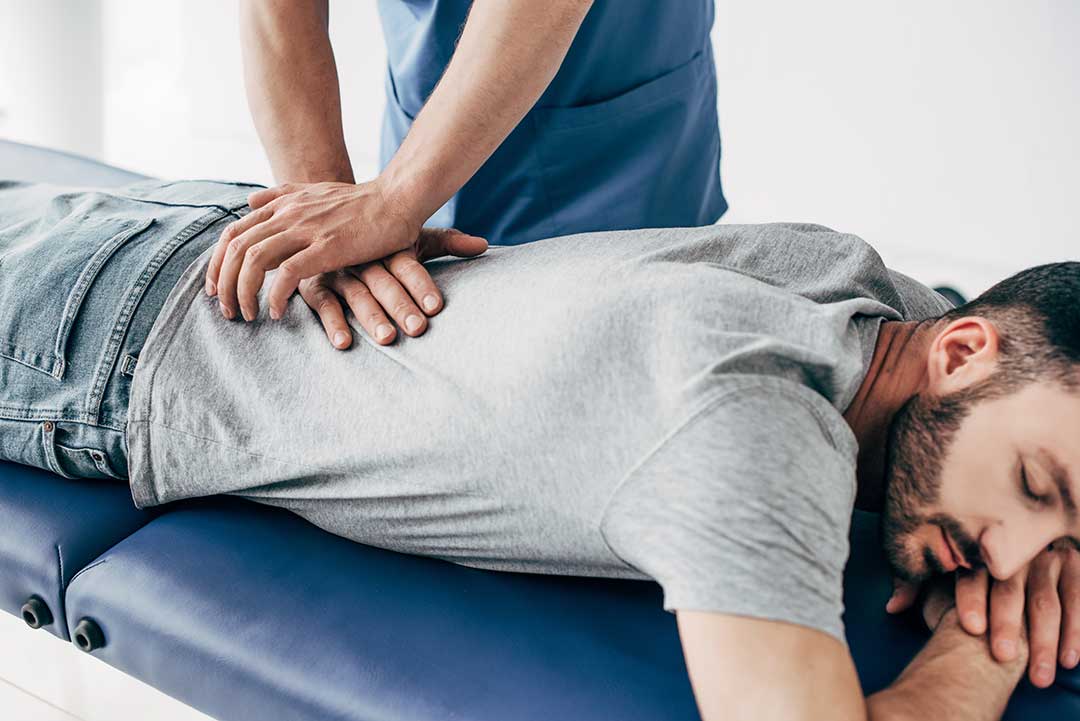
Posture Awareness
Simple reminders, like aligning ears over shoulders while sitting at a desk or standing evenly on both feet, support spinal alignment. Residents who commute by car or transit can use lumbar cushions or adjust seat angles for added support.
Sleep Surface and Support
Mattresses, pillows, and sleeping positions play a bigger role than many realize. Side sleepers may benefit from a pillow between the knees, while back sleepers sometimes need extra support under their knees to maintain the spine’s natural curve. Reviewing these factors seasonally—before or after local moves or major household changes—can help prevent subtle nighttime strain.
How Often Should Spinal Maintenance Be Considered?
There is no one-size-fits-all answer. For many residents, checking in with personal habits and physical comfort every few months is a good baseline. During particularly demanding times—such as after winter storms, during heavy gardening, or following physical changes like a new job or injury—it's helpful to review routines and make adjustments.
Those with chronic health conditions or past injuries may require more frequent attention and should be alert to changes in pain, movement, or function. For others, seasonal check-ins and adaptability are usually sufficient.
Are There Misconceptions About Spinal Maintenance?
Several misunderstandings are common:
- No pain means no problem: Many spinal imbalances present long before discomfort is obvious.
- Back exercises must be intense: Gentle, consistent movement is usually safer and more effective than aggressive workouts.
- It’s only needed after an injury: Prevention is often easier and more effective than treatment after pain develops.
Regular self-assessment—combined with good household and workplace habits—makes maintenance practical for most lifestyles in the community.
How Does the Local Environment Influence Spinal Habits?
Climate, commuting patterns, and housing styles influence local spinal health needs:
- Cold, icy winters often mean higher risk of slips and more time spent inside sitting
- Outdoor activities, from trail walking to yard work, bring benefits but can also lead to overexertion without preparation
- Multi-level homes and driveways can contribute to repetitive bending or heavy lifting
Adapting routines to seasonal conditions—wearing supportive footwear, stretching before shoveling, and dividing tasks to avoid fatigue—goes a long way toward long-term spinal health.
What Should Residents Do If Symptoms Persist or Worsen?
If usual routines and lifestyle changes do not relieve symptoms, or if issues like numbness, significant weakness, or bladder/bowel changes appear, more thorough assessment may be needed. These developments may signal conditions that require medical evaluation. In non-emergency situations, awareness and gradual adjustments are typically effective for most local families and individuals.
