
 See Our Latest Article on HelloNation
What does holistic wellness mean in chiropractic care?
Holistic wellness looks at physical function, daily habits, stress, sleep, activity, and overall health rather than treating pain as an isolated symptom. In Clarkstown, NY, chiropractic care may be one part of a broader plan for maintaining mobility and managing certain musculoskeletal problems.
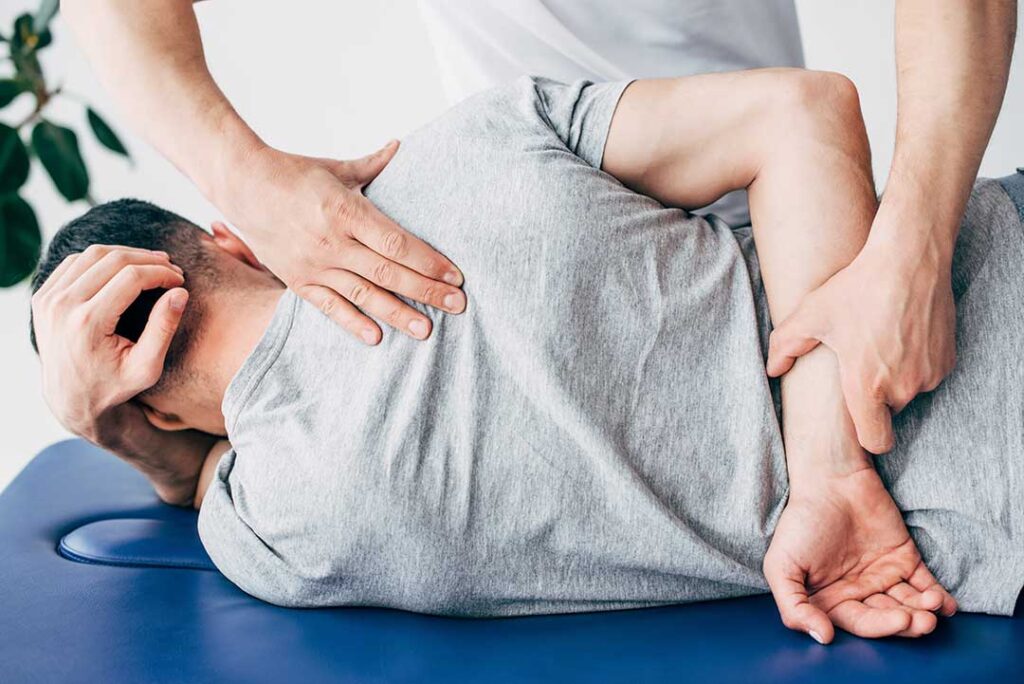
Chiropractic treatment commonly focuses on the spine, joints, muscles, and related movement patterns. Spinal manipulation uses a controlled force applied by hand or with an instrument to improve joint movement and reduce discomfort. Research suggests it may provide modest improvements for some types of low-back pain, but it is one option among several, including exercise, physical therapy, massage, and self-management. ([nccih.nih.gov](https://www.nccih.nih.gov/health/spinal-manipulation-what-you-need-to-know?6df6a1c6_page=3&85de4c3e_page=2&utm_source=openai))
A holistic approach does not mean assuming every health problem comes from the spine. It means considering how physical symptoms connect with work demands, activity levels, sleep, stress, and other health conditions.
What conditions may chiropractic care help?
Chiropractic care is most often considered for musculoskeletal concerns such as uncomplicated low-back pain, some types of neck pain, joint stiffness, and movement-related discomfort. It may also be used as part of care for certain headaches that are related to the neck or surrounding muscles, although the cause of recurring headaches should be evaluated carefully.
Evidence is strongest when the goal is improving pain or function rather than treating unrelated medical diseases. For acute low-back pain, studies have found that spinal manipulation can produce small improvements in pain and daily function. The potential benefit is usually best understood as one component of a broader recovery plan rather than a stand-alone cure. ([nccih.nih.gov](https://www.nccih.nih.gov/health/spinal-manipulation-what-you-need-to-know?6df6a1c6_page=3&85de4c3e_page=2&utm_source=openai))
Chiropractic care should not be presented as a treatment for infections, cancer, serious neurological disease, high blood pressure, or internal-organ conditions. Symptoms that suggest a more serious problem require medical evaluation.
How can chiropractic fit into a wellness plan?
A wellness-focused plan typically combines hands-on care with practical changes that support movement and recovery. Depending on the person’s condition, that may include:
- Gentle mobility exercises for the hips, shoulders, or spine
- Strengthening work for the trunk and lower body
- Guidance on lifting, reaching, sitting, or standing
- Pacing strategies for household chores and physical activity
- Sleep-position adjustments
- Attention to stress, fatigue, and recovery time
- Coordination with medical, physical therapy, or behavioral health care when appropriate
For local residents, seasonal routines may influence symptoms. Snow removal, colder temperatures, prolonged indoor sitting, spring yardwork, and summer recreation can all change the demands placed on the back, neck, and shoulders. A person who feels well during ordinary activity may still develop pain after several hours of shoveling, gardening, lifting storage containers, or returning suddenly to an exercise routine.
The useful question is not simply whether an adjustment is needed. It is whether the overall plan helps a person move more comfortably and safely in everyday life.
Does chiropractic care improve general health?
Chiropractic care may support general wellness indirectly when improved movement makes it easier to walk, exercise, sleep, work, or participate in normal activities. Better function can support healthy routines, but that does not mean an adjustment directly prevents disease or improves every aspect of health.
Claims that spinal adjustments “boost immunity,” remove toxins, correct all body systems, or replace medical care are not consistent with the usual evidence-based role of chiropractic treatment. A careful explanation should distinguish between possible effects on musculoskeletal pain and broader claims that have not been established.
Whole-person care also includes factors outside the treatment room. Regular physical activity, adequate sleep, balanced nutrition, stress management, and timely medical evaluation remain central parts of wellness.
Is chiropractic care safe for everyone?
No treatment is appropriate for everyone. Mild, temporary soreness, stiffness, fatigue, or a headache can occur after spinal manipulation and often resolve within a short period. Serious complications are uncommon, but they have been reported. Risks can be higher for people with certain underlying conditions. ([nccih.nih.gov](https://www.nccih.nih.gov/health/spinal-manipulation-what-you-need-to-know?6df6a1c6_page=3&85de4c3e_page=2&utm_source=openai))
Before treatment, a complete health history should include:
- Recent falls, collisions, or other injuries
- Osteoporosis or weakened bones
- Cancer involving the spine
- Numbness, tingling, or loss of strength
- Blood-clotting problems or use of blood-thinning medication
- Recent surgery
- Pregnancy
- Severe or rapidly worsening pain
- Symptoms affecting balance, bowel function, or bladder control
Neck manipulation deserves particular caution. Rare reports have associated sudden neck movements with cervical artery problems, although the relationship remains debated and the overall incidence appears low. People should be informed about potential risks and should not feel pressured to receive a technique they do not want. ([nccih.nih.gov](https://www.nccih.nih.gov/health/spinal-manipulation-what-you-need-to-know?6df6a1c6_page=3&85de4c3e_page=2&utm_source=openai))
When should back or neck pain be evaluated urgently?

Certain symptoms should not be managed solely with routine chiropractic care. Prompt medical evaluation is warranted for pain accompanied by:
- New or progressive weakness
- Loss of bladder or bowel control
- Numbness in the groin or inner thighs
- Fever, unexplained weight loss, or significant illness
- Severe pain after major trauma
- Chest pain, shortness of breath, or fainting
- A sudden, unusual headache or neurological changes
These signs may point to conditions requiring urgent diagnosis and treatment. Even without emergency symptoms, pain that persists, repeatedly returns, or interferes with sleep and normal activities deserves a clear assessment.
What questions should residents ask before beginning care?
A person considering chiropractic treatment can ask practical questions about the purpose and limits of care:
- What condition is being evaluated?
- What findings support the proposed treatment?
- What benefits are reasonably expected?
- What risks or side effects should be watched for?
- Are exercises or other self-care measures part of the plan?
- How will progress be measured?
- What would indicate that another type of medical evaluation is needed?
- Are there alternatives, such as physical therapy, exercise-based care, or medication discussions with a medical provider?
A useful plan should have a specific goal, such as improving walking tolerance, reducing movement-related pain, or restoring the ability to perform household tasks. It should also be adjusted if symptoms worsen or progress is not occurring.
How should chiropractic fit into long-term wellness?
The most balanced view is that chiropractic care can be a supportive option for selected musculoskeletal problems, especially when it is paired with active self-management and appropriate medical coordination. It should not be treated as a replacement for emergency care, diagnosis of serious disease, preventive medicine, or evidence-based treatment for conditions outside the musculoskeletal system.
For households managing work, commuting, home responsibilities, seasonal outdoor tasks, and recreational activity, the practical measure of success is improved function. Care is most useful when it helps a person understand contributing factors, move safely, build sustainable habits, and recognize when additional evaluation is necessary.
